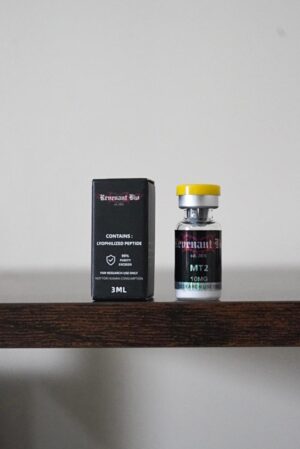
Preclinical Animal Research – Melanotan II (MT-II)
Mouse B16-F10 Melanoma Tumour Model (Skin Cancer Progression)
Study objective
Researchers investigated the effects of Melanotan II (MT-II), a synthetic analogue of α-melanocyte stimulating hormone (α-MSH), on melanoma tumour progression, migration, and survival signalling pathways using the B16-F10 murine melanoma model, one of the most widely used preclinical cancer systems.
⸻
Methods
C57BL/6 mice were implanted with B16-F10 melanoma cells to induce tumour formation. After establishment of tumours, animals were treated with topical MT-II administration over a controlled treatment period.
Researchers assessed:
* Tumour volume progression
* Cell proliferation within tumour tissue (Ki-67 staining)
* Apoptotic activity
* Tumour invasion and migration capability (in vitro + in vivo linked analysis)
* Angiogenesis within tumour tissue
* Expression of key signalling proteins:
* PTEN
* AKT pathway components
* NF-κB
* COX-2
⸻
Results
Compared with untreated tumour-bearing controls, MT-II treatment produced significant anti-tumour effects:
* Significant reduction in tumour progression rate in treated mice
* Decreased tumour invasion and metastatic behaviour in melanoma cells
* Increased apoptosis within tumour tissue
* Reduced angiogenesis (neovascularisation) within melanoma lesions
* Lower cellular proliferation marker expression (Ki-67)
* Upregulation of PTEN protein expression, a tumour suppressor
* Suppression of AKT signalling pathway activity
* Downregulation of NF-κB signalling, associated with inflammation and survival signalling
* Reduced COX-2 expression, indicating decreased pro-inflammatory tumour signalling
⸻
Key mechanistic interpretation
The anti-tumour effects observed in this model were associated with reversal of pro-survival signalling pathways, specifically:
* Reactivation of PTEN-mediated tumour suppression
* Inhibition of AKT/NF-κB survival axis
* Reduction in COX-2-driven inflammatory signalling within tumour microenvironment
These changes collectively shifted tumour tissue toward a less proliferative and more apoptotic state.
⸻
Important experimental observation
Despite significant effects on tumour progression and invasion:
* MT-II did not significantly affect baseline proliferation rates in all assays, suggesting its primary effects may be mediated through migration, apoptosis induction, and tumour microenvironment modulation rather than direct cytotoxicity alone.
⸻
Mouse Neurobiological / Peripheral Nerve Injury Model
Study objective
To evaluate whether melanocortin receptor activation via MT-II influences nerve regeneration and functional recovery following mechanical injury.
⸻
Methods
Rodent models (Wistar rats) underwent sciatic nerve injury, after which animals received systemic MT-II administration at controlled dosing levels.
Researchers evaluated:
* Sensory function recovery over time
* Nerve regeneration rate
* Functional behavioural recovery
* Histological nerve repair indicators
⸻
Results
MT-II treatment produced measurable neuroregenerative effects:
* Significant improvement in sensory recovery compared with saline controls
* Faster functional restoration of injured nerve pathways
* Dose-dependent improvement in recovery, with certain doses reaching statistical significance during mid-to-late recovery phases
* Evidence of enhanced nerve repair and neuroprotective activity in treated animals
⸻
Mechanistic interpretation
The observed effects are consistent with activation of melanocortin receptor pathways involved in neuroprotection and tissue repair, potentially involving:
* Anti-inflammatory modulation in injured nerve tissue
* Support of neuronal survival signalling
* Enhanced regeneration of peripheral nerve structures
⸻
Preclinical Melanocyte / Pigment Cell Model Systems (Supporting Data)
Study objective
To assess MT-II effects on melanocyte-related signalling pathways and pigmentation-associated cellular activity in melanoma and pigment cell systems.
⸻
Findings
Across melanoma cell and pigment-related models:
* MT-II acts as a potent melanocortin receptor (MC1R) agonist
* Modulates cAMP signalling pathways in melanocytes
* Influences downstream pathways linked to cell survival and differentiation
* Alters melanoma cell behaviour including:
* Migration
* Invasion
* Colony formation capacity
⸻
Mechanistic preclinical interpretation
MT-II’s biological activity in animal and cellular systems is primarily mediated through:
* Activation of MC1R melanocortin receptor signalling
* Downstream modulation of cAMP-dependent pathways
* Regulation of PTEN / AKT / NF-κB signalling axis in tumour models
* Interaction with angiogenesis and apoptosis regulatory networks
⸻
Overall Preclinical Interpretation
Across animal and laboratory models, Melanotan II demonstrates a multi-system biological profile including:
* Modulation of melanoma tumour progression in vivo
* Regulation of apoptosis and angiogenesis in tumour microenvironments
* Neuroprotective and regenerative effects in peripheral nerve injury models
* Strong activation of melanocortin receptor signalling pathways (MC1R-related biology)
* Downstream effects on PTEN/AKT/NF-κB signalling networks
Overall, preclinical data suggest MT-II acts as a pleiotropic melanocortin receptor agonist influencing pigmentation biology, tumour signalling pathways, and neuroregeneration in animal systems