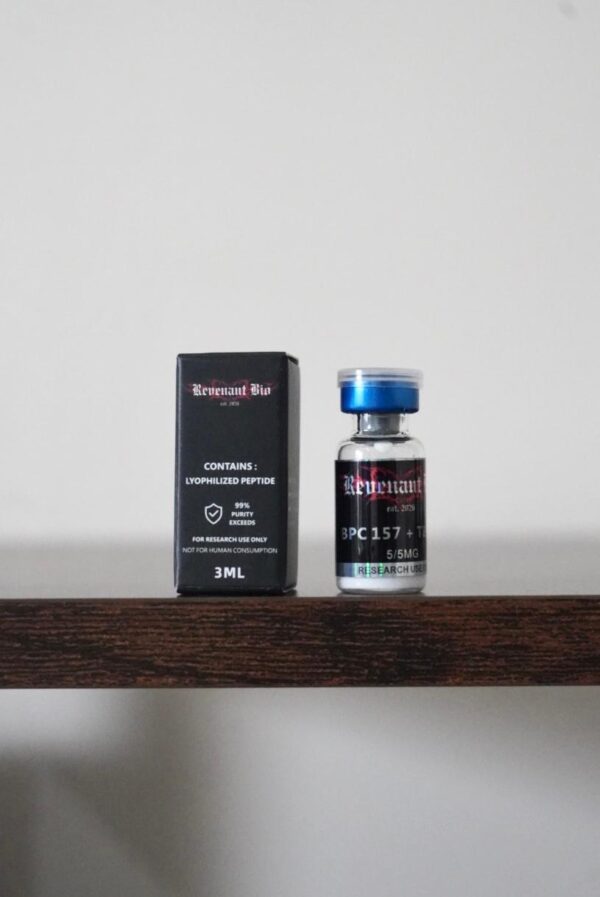
Preclinical Animal Research – BPC-157 (Body Protection Compound-157)
Rat Gastrointestinal Injury & Fistula Models
Study objective
Researchers investigated the effects of BPC-157, a stable gastric pentadecapeptide, on gastrointestinal tract healing, particularly in models of induced gastric ulcers, fistulas, and intestinal injury.
⸻
Methods
Male rats were subjected to experimentally induced gastrointestinal damage, including:
* Ethanol-induced gastric lesions
* NSAID (indomethacin)-induced ulceration
* Colonic and small intestinal fistula formation
* Ischemia-reperfusion injury models
BPC-157 was administered via:
* Intraperitoneal injection
* Oral administration (in select studies due to gastric stability)
Researchers assessed:
* Ulcer size and healing rate
* Histological mucosal integrity
* Vascular density at injury sites
* Inflammatory infiltration
* Survival rates in severe injury models
⸻
Results
Across gastrointestinal injury models, BPC-157 demonstrated consistent protective and regenerative effects:
* Significant reduction in gastric ulcer size compared with controls
* Accelerated healing of intestinal and colonic fistulas
* Improved mucosal integrity and epithelial regeneration
* Reduced inflammatory cell infiltration at injury sites
* Enhanced microvascular formation within damaged tissue
* Improved survival outcomes in severe ischemia models
In several models, healing occurred significantly faster than untreated controls, suggesting strong cytoprotective and pro-repair activity in gastrointestinal tissue.
⸻
Rat Tendon, Muscle, and Ligament Injury Models
Study objective
To evaluate BPC-157’s role in soft tissue repair, including tendon rupture, muscle injury, and ligament damage.
BPC-157 was administered systemically, and outcomes were measured via:
* Histological tissue repair scoring
* Functional recovery (mobility and load-bearing)
* Collagen fibre organisation
* Vascular response at injury site
⸻
Results
BPC-157 administration produced:
* Faster functional recovery of injured limbs
* Improved alignment and organisation of collagen fibres in tendon repair
* Increased vascular ingrowth into damaged soft tissue
* Reduced fibrosis and disorganised scar formation
* Enhanced overall structural integrity of regenerated tissue
⸻
Mechanistic observations (preclinical)
Across animal models, BPC-157 has been associated with:
* Upregulation of growth factor signalling involved in tissue repair (including VEGF-related pathways)
* Modulation of nitric oxide (NO) system balance, influencing vascular response
* Stabilisation of endothelial function in injured tissue
* Regulation of inflammatory cytokine expression at wound sites
⸻
Key preclinical interpretation
BPC-157 demonstrates broad cytoprotective and pro-repair effects in vivo, particularly in:
Its effects appear strongly linked to vascular modulation and accelerated tissue remodelling rather than a single-target pathway.
⸻
Preclinical Animal Research – TB-500 (Thymosin Beta-4 Fragment)
Rat and Mouse Wound Healing Models
Study objective
Researchers investigated Thymosin Beta-4 (TB-500 is a synthetic peptide fragment related to this pathway) in models of cutaneous wound healing and tissue regeneration, focusing on its role in cell migration and angiogenesis.
⸻
Methods
Animal models included:
* Full-thickness dermal wound excision in rats and mice
* Corneal injury models in rodents
* Myocardial infarction models in mice (Thymosin Beta-4 pathway studies)
TB-500 / Thymosin Beta-4 was administered via:
* Systemic injection
* Local application in wound sites
Researchers measured:
* Rate of wound closure
* Keratinocyte and fibroblast migration
* Angiogenesis markers
* Collagen deposition
* Tissue remodelling quality
⸻
Results
In dermal wound and tissue injury models, TB-500 / Thymosin Beta-4 demonstrated:
* Accelerated wound closure rates compared with controls
* Increased cell migration into damaged tissue (keratinocytes and fibroblasts)
* Enhanced new blood vessel formation (angiogenesis)
* Improved granulation tissue formation
* More organised collagen deposition and extracellular matrix structuring
* Reduced inflammatory response during early healing phases
⸻
Cardiac Injury (Myocardial Infarction) Rodent Model
Study objective
To evaluate the role of Thymosin Beta-4 in cardiac repair following ischemic injury.
⸻
Methods
Mice underwent experimentally induced myocardial infarction followed by systemic administration of Thymosin Beta-4. Researchers assessed:
* Cardiac function post-injury
* Cardiomyocyte survival
* Vascular regeneration in cardiac tissue
* Fibrotic tissue formation
⸻
Results
Thymosin Beta-4 treatment resulted in:
* Improved cardiac function recovery compared with untreated controls
* Increased cardiac endothelial cell migration and neovascularisation
* Reduced fibrotic scar formation in infarcted tissue
* Enhanced cell survival in peri-infarct regions
⸻
Mechanistic preclinical findings
Across animal and combined preclinical models, TB-500 / Thymosin Beta-4 is associated with:
* Activation of actin-binding pathways involved in cell migration
* Upregulation of angiogenic signalling (VEGF-related activity)
* Enhanced stem/progenitor cell mobilisation to injury sites
* Modulation of inflammatory resolution pathways during tissue repair