Rat Wound Chamber Model (Connective Tissue & Skin Regeneration)
Study objective
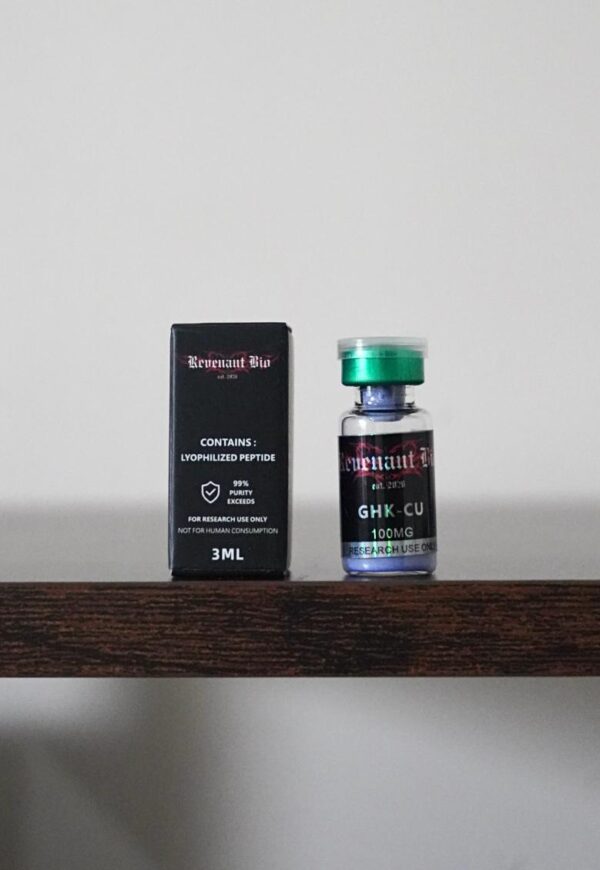
Researchers investigated the effects of the tripeptide-copper complex GHK-Cu (glycyl-L-histidyl-L-lysine bound to Cu²⁺) on connective tissue regeneration and extracellular matrix formation in experimental rat wound models, aiming to evaluate its role in wound healing and tissue repair processes.
⸻
Methods
Male rats were implanted with subcutaneous stainless-steel wound chambers on the dorsal surface to create a controlled injury environment. Animals were divided into groups receiving either:
* Saline (control)
* GHK-Cu at varying concentrations injected directly into the wound chamber
Researchers analysed wound exudate and tissue content, measuring:
* Dry tissue weight
* Total protein content
* DNA content (cell proliferation marker)
* Collagen accumulation
* Elastin levels
* Glycosaminoglycan (GAG) content
* mRNA expression of collagen types I and III
* Transforming growth factor beta (TGF-β) expression
⸻
Results
Compared with saline controls, GHK-Cu administration produced a concentration-dependent regenerative response within the wound environment.
Key findings included:
* Significant increase in dry wound tissue mass, indicating enhanced matrix formation
* Marked elevation in total protein content within the wound site
* Increased DNA content, suggesting enhanced cellular proliferation and infiltration
* Strong stimulation of collagen deposition, with collagen synthesis approximately twice that of non-collagen proteins
* Upregulation of type I and type III collagen mRNA, indicating transcriptional activation of structural repair pathways
* Increased glycosaminoglycan content, supporting extracellular matrix organisation and hydration
* Elevated dermatan sulfate proportion, indicating altered matrix composition toward a repair phenotype
* No significant change in TGF-β mRNA expression, suggesting selective modulation of repair pathways rather than broad growth factor activation
Importantly, a control tripeptide showed no significant biological effect, reinforcing specificity of the GHK-Cu complex.
⸻
Key conclusion from model
GHK-Cu demonstrated a strong ability to increase extracellular matrix accumulation and structural repair activity in vivo, primarily through enhanced collagen synthesis and fibroblast-associated tissue remodelling.
⸻
Irradiated Rat Skin Flap Model (Dermal Repair & Angiogenic Markers)
Study objective
To evaluate whether topical GHK-Cu could improve healing outcomes in compromised irradiated skin wounds, a model used to simulate impaired human wound healing conditions.
⸻
Methods
Sprague-Dawley rats underwent:
* Localised dorsal irradiation to impair healing capacity
* Creation of full-thickness skin flaps after recovery
* Topical application of either:
* GHK-Cu ointment
* Control ointment
Researchers assessed:
* Wound closure and flap survival
* Histological tissue structure
* Expression of vascular and repair markers including:
* Vascular endothelial growth factor (VEGF)
* Caveolin-1 (endothelial marker)
⸻
Results
GHK-Cu treated animals demonstrated:
* Improved tissue repair and wound coverage compared with controls
* Increased angiogenesis-associated signalling markers, including VEGF expression
* Enhanced vascular structure formation within healing tissue
* Improved overall histological organisation of regenerated skin layers
These findings suggested that GHK-Cu may support healing not only through matrix formation but also through vascular regeneration in damaged tissue environments.
Across multiple in vitro and in vivo models, GHK-Cu has been shown to influence several coordinated biological pathways involved in tissue repair.
Observed mechanistic effects:
* Activation of fibroblast proliferation and migration
* Increased synthesis of collagen, elastin, and glycosaminoglycans
* Modulation of matrix metalloproteinase (MMP) activity, supporting controlled extracellular matrix remodelling
* Regulation of gene expression linked to tissue repair and inflammation balance
* Enhancement of antioxidant defence pathways via copper-dependent redox activity
* Promotion of a balanced extracellular matrix turnover state (remodelling rather than excessive deposition or degradation)
⸻
Overall preclinical interpretation
Across animal wound models, GHK-Cu consistently demonstrates a pattern of:
* Enhanced extracellular matrix production
* Increased collagen gene expression (type I and III)
* Improved structural repair in injured tissue
* Support for angiogenesis in impaired healing environments
* Selective modulation of inflammatory and remodelling pathways rather than global growth factor stimulation